Heart Failure & Hypertension: What Primary Care Can Do Earlier
Heart failure and hypertension are conditions primary care providers encounter every day, but identifying that risk early – and knowing…
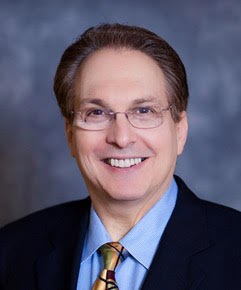
Meet Dr. Robert Peppercorn, RubiconMD Dermatologist, who recently completed 1,000 eConsults.
We spoke to him about his experience with primary care clinicians through the eConsult+ platform.
Why did you decide to become a RubiconMD specialist?
Over my 35+ years in the practice of Dermatology, I have always enjoyed sharing information that can contribute to the education of patients, primary doctors, physician assistants, nurse practitioners, resident and newly trained dermatologists. I was one of the first dermatologists to employ physician assistants in practice many years ago. I also served as a Clinical Professor at Stanford Medical School for 8 years. Currently, I am shifting away from office dermatology and changing my focus to telemedicine. The RubiconMD platform has offered me a wonderful way to continue to share my dermatology experiences with many primary care clinicians in a very efficient way.
What have you gained from your experience delivering virtual specialty care?
I look forward to hearing about the skin disease challenges that clinicians face in their daily practices. I receive personal fulfillment with each case being available provide a rapid assessment so that the clinicians and patients can start treatment right away. It is also a positive feeling to know that I am helping to save the patients and health systems a great deal of money when resources do not have to be shifted to outside consultations.
What do you wish more primary care clinicians knew about virtual specialists?
If possible, it would be beneficial for the clinicians to know more about the RubiconMD specialists’ backgrounds, experiences, and interests, and for the specialist to know more about the referring clinician.
Within the 1,000 consults, are there any cases that stand out as being immensely impactful?
The main experiences that stand out are when I have received a kind comment from a clinician about how they have been able to reduce the suffering of a patient when an unexpected diagnosis is made. This does not have to be from a rare diagnosis, but rather something as common as unexpected scabies, shingles, or as blistering disease. However, of course, the most fulfilling is helping to diagnose an unexpected form of skin cancer.
What do you enjoy doing outside of work?
I have always enjoyed traveling and have visited 45 countries and been to every continent — Antarctica is my favorite! I have been involved with photography since I was 8 years old, and scenic and animal photography are my favorites. Also lately, I have been riding an e-bike through the countryside.
Heart failure and hypertension are conditions primary care providers encounter every day, but identifying that risk early – and knowing…
Early detection and proactive management of Chronic kidney disease (CKD) are critical to slowing disease progression and preventing serious complications…
Value-based care must be central to the future of the U.S. healthcare system — reducing cost, improving outcomes, and most…
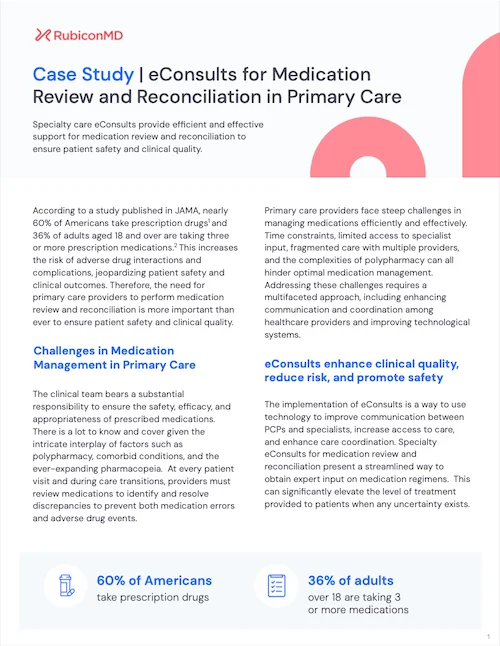
Explore real examples of specialty care eConsults providing efficient and effective support for medication review and reconciliation.